
PAS 2038 and the Future of Non-Domestic Retrofit
As the demand for low-carbon buildings accelerates, PAS 2038 is emerging as a key framework shaping how non-domestic retrofit is delivered across the UK. Moving beyond compliance-led improvements, PAS 2038 introduces a structured, whole-building approach focused on real-world performance, risk management and long-term outcomes.
But what does PAS 2038 mean in practice and what opportunities does it create for energy professionals?

What is PAS 2038?
PAS 2038 is the British Standard for the retrofit of existing non-domestic buildings. It sets out a structured framework for improving energy performance across commercial, public sector and industrial properties, with a clear focus on long-term outcomes rather than short-term fixes.
Rather than treating retrofit as a series of individual upgrades, PAS 2038 promotes a whole-building approach, where decisions are based on how a building actually performs, not just how it was designed to perform.
A performance-led approach
This is why measurement sits at the centre of the standard. Energy modelling using tools such as SBEM remains essential, particularly for benchmarking and compliance, but it is only part of the picture. For more complex buildings, Dynamic Simulation Modelling (DSM) is often needed to understand how energy is really used across different spaces, occupancies and conditions.
Understanding how a building is used day to day, such as how systems are controlled, spaces are occupied, and how energy demand fluctuates in practice, helps build a far more accurate picture of performance than modelling alone.
PAS 2038 requires a detailed understanding of building fabric, services and condition before any improvements are specified, ensuring that retrofit measures are appropriate and capable of delivering genuine, long-term performance improvements.
Why is Non-Domestic Retrofit gaining traction?
Interest in non-domestic retrofit is accelerating as organisations face growing pressure to reduce carbon emissions and improve the performance of existing buildings.
A shift towards measurable outcomes
With nearly two million non-domestic properties across the UK, attention is turning to how these buildings can be improved in a way that delivers measurable results. The industry is moving beyond isolated upgrades towards more coordinated, performance-led strategies.
Net Zero targets and the continued evolution of Minimum Energy Efficiency Standards are all increasing the need for demonstrable improvements in operational performance.
Closing the performance gap
At the same time, there is greater awareness of the gap between predicted and actual energy use. Traditional approaches have often relied heavily on asset ratings and simplified models, which don’t always reflect how buildings operate in reality. PAS 2038 addresses this by combining modelling with real-world data, helping to close that gap.
There is also a growing recognition of risk. Poorly planned retrofit can lead to unintended consequences, whether that’s inefficient systems, occupant discomfort or wasted investment. By embedding a risk-based methodology, PAS 2038 provides a more robust route to improvement.
What roles are available under PAS 2038?
As the approach to retrofit evolves, so too does the role of the professionals delivering it. PAS 2038 introduces clearly defined responsibilities that reflect the need for stronger coordination, better data and long-term oversight.
Non-Domestic Retrofit Lead Assessor
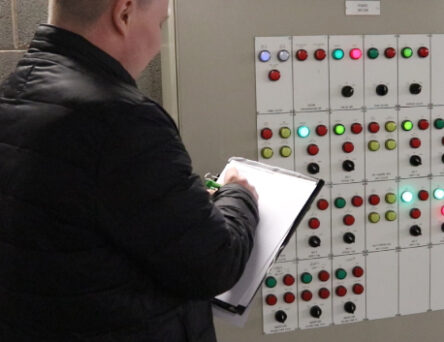
At the beginning of the process is the Non-Domestic Retrofit Lead Assessor. This role is responsible for developing a comprehensive understanding of the building, bringing together energy assessments, condition reporting, operational data and system inspections into a single evidence base.
It establishes what is often referred to as the “Golden Thread” of information, ensuring that decisions are grounded in accurate, consistent data. Beyond assessment, there is an expectation to interpret findings, identify risks and help shape appropriate retrofit strategies, marking a clear step beyond traditional compliance-focused activity.

Non-Domestic Retrofit Lead Professional
Overseeing the wider process is the Non-Domestic Retrofit Lead Professional. This role carries responsibility for managing the retrofit from planning through to delivery and beyond, coordinating stakeholders and ensuring compliance with PAS 2038.
A key distinction is the long-term nature of this role. PAS 2038 requires ongoing monitoring and support after works are completed, helping to ensure that intended performance improvements are actually realised in practice.
Alongside these roles, existing professionals, including energy assessors, DEC assessors and air conditioning inspectors, continue to play an important part, contributing specialist insight within a more integrated framework.
An opportunity for Non-Domestic Energy Professionals to expand their horizons
For non-domestic energy professionals, PAS 2038 represents more than a new standard, it signals a shift in the type of work the market is beginning to demand.
Moving beyond compliance
PAS 2038 opens the door to a broader, more strategic role in retrofit delivery. Professionals are increasingly being asked not just to assess buildings, but to interpret complex data and guide decision-making across the lifecycle of a project. This creates opportunities to move into more advisory and consultancy-led work, where insight and experience carry greater value.
A growing need for capability
There is also the potential for longer-term engagement. With an emphasis on ongoing performance monitoring and support, retrofit is no longer a one-off interaction, but part of a continuing relationship between professionals and clients.
As adoption of PAS 2038 grows, so too will expectations around competence and capability. Clients and stakeholders are already looking for individuals who can demonstrate not just technical knowledge, but a clear understanding of the framework and how to apply it in practice.
For those working in non-domestic energy assessment today, this presents a clear direction of travel. Developing the skills and knowledge to operate confidently within a PAS 2038 environment will be key to staying relevant as the market evolves and to taking advantage of the opportunities that come with it.
Interested to find out more about Non-Domestic Retrofit?
Book our On-Demand Introduction to Non-Domestic Retrofit to take your skills to The Next Level and see whether this is the right next step for you.
Elmhurst members currently save 10% through The Next Level Initiative