
Whole Life Carbon: Why It Matters and Why Now is the Time for OCDEAs to Get Started
In collaboration with the Future Homes Hub (FHH), Elmhurst Energy is helping On Construction Domestic Energy Assessors (OCDEAs) prepare for the next evolution in new-build assessment with a webinar focused on how we measure and manage carbon in new homes.
What is Whole Life Carbon?
In recent years, operational energy has been the primary focus when assessing the performance of new homes. Through SAP and the upcoming Home Energy Model (HEM), OCDEAs play a vital role in helping the industry design more energy-efficient buildings. However, as homes become more efficient and the electricity grid continues to decarbonise, the carbon impact of the wider building process is attracting greater attention.
Whole Life Carbon (WLC) assessments measure the greenhouse gas emissions associated with a building across its full lifecycle, from the materials used in construction through to its operation, maintenance and eventual end of life. WLC is quickly becoming an important consideration in the future of housing design.
Why Whole Life Carbon is Becoming More Important
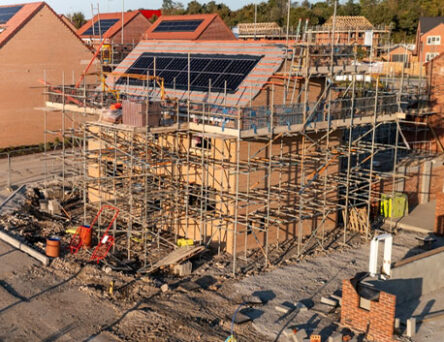
The Future Homes Standard (FHS) is expected to reduce operational emissions from new homes significantly. As operational carbon decreases, the proportion of emissions associated with materials, construction, maintenance and end-of-life stages becomes increasingly important.
At the same time, demand for Whole Life Carbon Assessments is growing across the sector. Local planning authorities, particularly in London, are beginning to require WLC assessments on some developments. Forward-thinking councils and sustainability focused developers are also driving early adoption by using them to inform design choices, alongside organisations with net zero commitments increasingly looking beyond operational performance alone and instead measuring carbon across entire portfolios.
The industry is moving towards standardised methodologies, greater measurement, improved benchmarking and increased consistency, creating the foundations for wider adoption across the new-build sector.
What This Means for OCDEAs
This shift means that the carbon emissions associated with materials, construction, maintenance and end-of-life – known as embodied carbon – are becoming a much larger proportion of a building’s overall impact.
SAP assessments have long formed the cornerstone of demonstrating compliance and performance. However, as homes become more energy efficient and the electricity grid continues to decarbonise, the carbon associated with a building’s use is falling significantly. The Future Homes Standard is expected to reduce operational emissions by around 75%, accelerating this trend.
Whole Life Carbon combines embodied and operational carbon across the full lifecycle of a dwelling and, as the industry evolves, WLC represents a natural progression in the role of an OCDEA.
For many assessors, operational energy and carbon will feel familiar. OCDEAs already collect much of the information needed to undertake a Whole Life Carbon Assessment, including building geometry, construction details and specifications. By expanding this knowledge to include embodied carbon alongside operational carbon, assessors can begin providing broader carbon insights that support better-informed design decisions.
Supporting Consistency Across the Industry
One of the biggest challenges facing Whole Life Carbon Assessment is consistency. Without common assumptions and methodologies, assessments can produce significantly different results, making comparisons difficult.
To address this, the Future Homes Hub has developed both a standard set of conventions and a free, practical Whole Life Carbon Assessment tool that supports consistent, repeatable and comparable assessments across new-build housing, designed to help OCDEA professionals to:
- Compare design options consistently
- Support early design decision-making
- Produce more reliable and comparable assessments
- Build familiarity with Whole Life Carbon using a practical, accessible approach
The industry now has the methodology needed to begin building these skills with confidence, enabling assessors to expand their role and provide additional value to clients.
Introducing Elmhurst’s New Webinar
Elmhurst recognises that one of the biggest barriers to wider adoption of Whole Life Carbon is the current skills gap across the industry. That’s why we have partnered with the Future Homes Hub to deliver a new introductory webinar.
Presented by Chris Ricketts (Elmhurst Energy) and Adam Graveley (Future Homes Hub), the session will provide a practical overview of:
- What Whole Life Carbon is
- Why it is becoming increasingly important for housing and assessment practice
- The principles behind the Future Homes Hub conventions
- How the Whole Life Carbon Assessment tool supports consistent assessments
- What OCDEAs can do now to begin building their knowledge
The webinar is designed as an accessible introduction, giving attendees the understanding and confidence to begin engaging with Whole Life Carbon in their day-to-day work.
As Whole Life Carbon continues to gain momentum across the housing sector, assessors who begin developing their understanding now will be well placed to support clients, broaden their expertise and stay ahead of changing industry expectations. Chris Ricketts, Elmhurst’s Head of Consultancy commented:
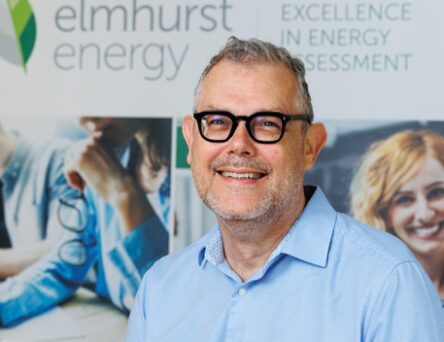
We’ve spent two decades driving down operational carbon emissions in homes. The success of that work means attention is now turning towards the carbon locked into buildings through the materials, products and construction processes used to create them. Whole Life Carbon is undoubtedly part of the industry’s future and those who start learning about it today will be better positioned as demand continues to grow.
Get Started with Whole Life Carbon
Whether you’re looking to understand the principles of Whole Life Carbon or want to stay ahead of emerging industry developments, this webinar provides an ideal starting point.
Join Elmhurst Energy and the Future Homes Hub to learn why Whole Life Carbon is becoming increasingly important and how the Future Homes Hub tool is helping to bring greater consistency to Whole Life Carbon Assessments.
BOOK NOW