
Growing demand for Damp and Mould Assessments as Scotland looks to strengthen tenant protections
Everyone deserves to live in a home that is safe, warm and free from damp and mould. That principle is now driving significant change across the rented housing sector, with legislation strengthening expectations on landlords and placing greater focus on competent investigation, timely repairs and healthier homes.
For energy assessors, retrofit professionals, surveyors and housing practitioners, this represents both a responsibility and an opportunity. As damp and mould moves higher up the legislative and public health agenda, landlords will increasingly need professionals who can identify risks accurately, understand the role of ventilation and building performance, and produce clear, evidence-based reports.
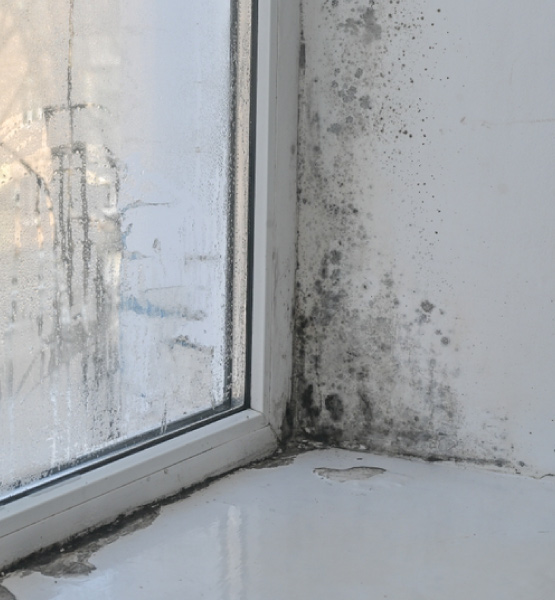
What is Awaab’s Law and what applies in England?
Awaab’s Law is named after two-year-old Awaab Ishak, who tragically died in 2020 following prolonged exposure to mould in his family’s housing association flat in Rochdale. His death brought national attention to the serious health risks associated with damp and mould, and to the need for housing providers to act quickly when issues are reported.
In England, Awaab’s Law introduced new requirements for social landlords to investigate and fix reported hazards, including damp and mould, within strict timescales. Where necessary, landlords must also take steps to ensure tenants are not left living in unsafe conditions.
Scotland’s proposed regulations: what could change?
Scotland is now expected to introduce equivalent requirements through The Investigation and Commencement of Repair (Scotland) Regulations 2026, which are anticipated to come into force from 6 October 2026.
The proposed regulations would apply to both social and private rented properties, creating a broader obligation for landlords to respond to damp and mould concerns in a timely and structured way.
Under the draft legislation, landlords would be required to ensure that properties are substantially free from damp and mould, and to investigate and commence repairs where damp or mould is reported.
Once a landlord is made aware of a potential issue, they would have up to 10 working days to investigate and determine whether a qualifying repair is required. Importantly, that investigation must be carried out by a competent person.
A written summary of the investigation would need to be provided to the tenant within three days of the investigation being completed. If a qualifying repair is identified, work would need to begin within five working days, with repairs completed within 20 working days.
Preparing for tighter timescales and clearer responsibilities
For landlords, the proposed changes signal a need to take a more structured and proactive approach to damp and mould, supported by clear evidence, competent assessment and timely action.
The emphasis on competent investigation is particularly important. Damp and mould can be caused or worsened by a range of factors, including building defects, inadequate ventilation, thermal bridging, heating patterns, insulation issues and occupant interaction with the property.
A robust assessment should therefore look beyond visible mould growth. It should consider the wider building performance context, record relevant evidence and provide landlords with clear information to support appropriate remedial action.
For social and private landlords in Scotland, the proposed timescales will create additional pressure to respond quickly and consistently. Having access to trained, competent assessors will be essential for meeting these expectations and supporting better outcomes for tenants.
Connecting building performance with healthier homes
The growing focus on damp and mould reflects a wider change in direction across the housing sector. Policy is increasingly recognising that homes are not just physical assets; they are environments that directly affect health, wellbeing and quality of life.
This aligns closely with the work of energy and retrofit professionals. A home’s energy performance, ventilation strategy, fabric condition and heating system can all influence moisture risk. As the sector continues to improve energy efficiency, it is vital that upgrades are delivered with a whole-property understanding.
Healthy homes require joined-up thinking. Improving insulation without considering ventilation, or addressing mould without understanding the underlying cause, can lead to poor outcomes. Competent assessment helps ensure that issues are identified properly and that recommendations are practical, proportionate and evidence led.
Developing the competence needed for damp and mould assessments
Elmhurst’s Damp and Mould Assessor Training has been designed to equip professionals with the practical skills needed to competently assess damp and mould hazards in domestic properties.
The course supports assessors in understanding how moisture, ventilation and building performance interact, and how to produce clear, professional reports for clients. It is suitable for Domestic Energy Assessors, surveyors, stock condition surveyors, retrofit professionals, housing practitioners and anyone responsible for investigating moisture issues in homes.
After completing the training, learners will be eligible to join Elmhurst’s Damp and Mould Assessor Competency Scheme. Membership demonstrates competence and professional standards, while providing access to Elmhurst’s purpose-built reporting software, technical support, the Find an Assessor directory and insurance cover for damp and mould assessment work.
With legislation continuing to raise expectations across the rented sector, now is the time for professionals to build competence and broaden their service offering.
Become a competent Damp and Mould Assessor
Demand for damp and mould assessments is expected to grow as landlords prepare for new duties and tighter timescales. For assessors and property professionals, this is an opportunity to support safer, healthier homes while expanding the services they can offer to clients.
Elmhurst’s Damp and Mould Assessor Training and Competency Scheme provide a clear route to developing the knowledge, confidence and professional recognition needed to meet this growing demand.
Through the Next Level initiative, Elmhurst members save 10% on this course.
FIND OUT MORE