
Spotting the Signs Earlier: How Sureserve is Building Damp and Mould Competence across it’s Workforce
With new damp and mould legislation now in force in Scotland, Sureserve Energy Services UK Limited is taking proactive steps to strengthen the skills of its retrofit workforce across the UK, working with Elmhurst Energy to equip assessors with the knowledge to identify risks and support landlords in meeting their responsibilities.
Retrofit assessors can be found inside homes looking at fabric, ventilation, heating, occupancy patterns and how a property is performing. Until now, damp and mould risk might never have made the list unless it had already been raised as a complaint. But with new regulation, that is rapidly changing.
Damp and mould is no longer a background issue for landlords, contractors or retrofit teams. Awaab’s Law came into force for social landlords in England in October 2025, and the Scottish requirements came into force on 6th October 2026, applying across the social and private rented sectors. Sureserve Energy Services UK Limited has taken steps to prepare for these changes.
How Sureserve are preparing Retrofit Assessors for new responsibilities
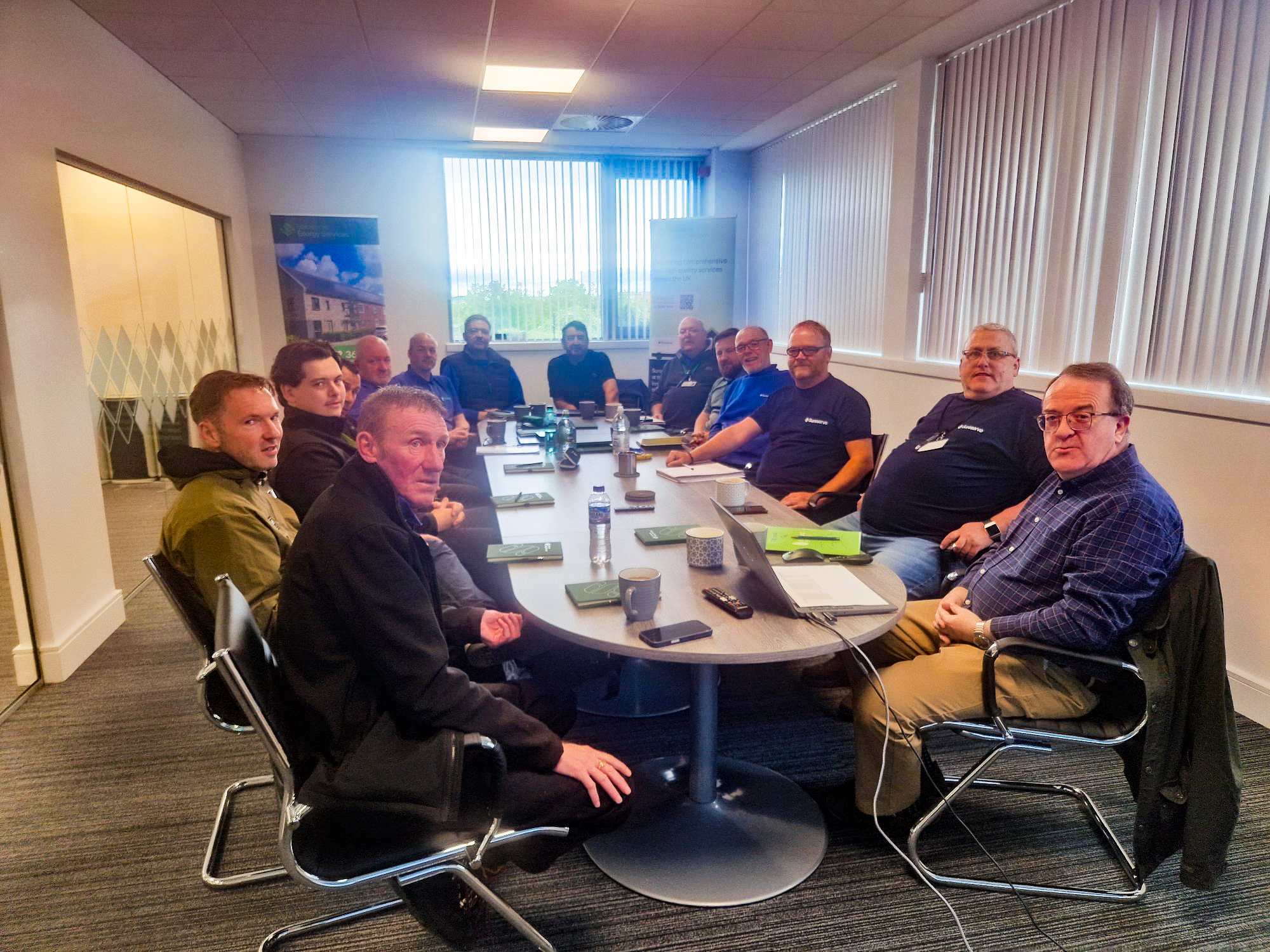
The company has taken a first step towards building damp and mould competence across its retrofit assessor workforce, after a cohort of Scotland-based retrofit assessors completed first-of-its-kind training with Elmhurst Energy. Having worked with Elmhurst for several years through its accreditation scheme and professional training programmes, including Retrofit Coordinator training, the company identified the Damp and Mould Assessor course as a natural next step.
“Our Director, Scott Paton, is clear that clients and customers come first in everything we do, and that means being ahead of the curve on matters as important as Awaab’s Law. Elmhurst gave us the solution we needed and accommodated the scale of our retrofit workforce to make it happen. When the law comes into force in Scotland in October 2026, our clients will already have competent, trained people in their homes identifying risk, which makes compliance far more straightforward and the transition much smoother.”
Jaye Reilly, Contracts Manager at Sureserve Energy Services
The training is designed to help property and energy professionals identify damp and mould risk, understand ventilation and building performance and produce clear findings for retrofit coordinators and landlords.
While the primary focus of the training and competency requirements remains with retrofit assessors, whose role is to attend site, assess the property and identify issues before the retrofit plan is developed, Sureserve plans to roll the training out more widely across its teams to raise awareness.
“The course gave us a clear, structured way to identify damp and mould risk and understand the legislative context behind it. It fits naturally with what a retrofit professional is already doing on site, and it has given me and the team the confidence to recognise the signs and pass clear, usable information back to the local authorities and landlords we work with. It has genuinely added another layer to how we assess a property.”
Duncan McVicar, Retrofit Coordinator at Sureserve Energy Services
Why Damp and Mould Competence Matters in Retrofit
The damp and mould assessor training and competency scheme is the first of its kind in the industry, intended to expand the pool of qualified professionals available to social landlords as they work to meet Awaab’s Law requirements.
The course content includes the process and guidance on Awaab’s Law for social landlords, the technical detail and a walkthrough of the dwelling assessment process.
Damp and mould risk sits in the same space as fabric performance, ventilation, heating and how the home is used day to day. Retrofit changes those conditions. Improving fabric and airtightness can improve comfort and energy performance, but poor ventilation strategy can also increase humidity and mould risk.
Damp, mould and condensation findings can inform the ventilation strategy for PAS 2035 retrofit projects, helping to reduce the risk that fabric upgrades and increased airtightness lead to unintended consequences such as higher humidity and mould growth.
That is why the training sits naturally with retrofit assessment. The assessor is already on site, gathering the property information that informs the retrofit plan. Damp and mould competence adds another layer to that assessment before the information is passed to the retrofit coordinator.
“Damp and mould is now a critical competence issue for the housing and retrofit sectors. This training is designed to help professionals identify risk, understand the role of ventilation and building performance, and provide clear information that supports landlords’ decision-making.”
Josh Wakeling, Head of Training at Elmhurst Energy
From Complaint-Led Repairs to Earlier Detection
Awaab’s Law changes the pressure on landlords. Awareness, triage, investigation and evidence all become more important.
England’s guidance says a social landlord can become aware of a potential hazard through a tenant raising an issue, a routine inspection or visit by maintenance staff, or by notification from a third party, including contractors. It also says landlords should ensure contractors report hazards or potential hazards they identify when visiting a property. The legal responsibility for compliance and work completion remains with the landlord.
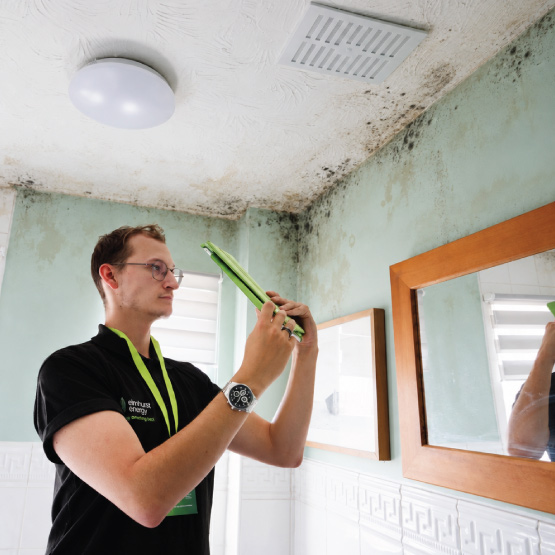
Sureserve’s retrofit assessors are already attending homes to assess property condition. While they are there, they may see something that would otherwise wait for a complaint: visible mould growth, damp staining, condensation risk, ventilation issues, thermal bridging or other moisture indicators.
It is here that Sureserve believes trained contractors and retrofit professionals can make a practical difference. A trained and competent assessor is better placed to recognise the risk and flag it to the social landlord for further investigation, before more severe problems develop.
Instead of damp and mould being raised only when a resident complains, risk can be spotted while a competent person is already in the home. For social landlords managing large housing portfolios, that can support earlier intervention, better evidence and more consistent decisions about remedial action.
This is where retrofit and repairs meet. A damp and mould finding should not sit alone. It may be linked to poor ventilation, fabric and thermal bridging, heating patterns, building defects or the way retrofit measures impact the home.
Competent identification at the assessment stage can help landlords and project teams look beyond the surface and focus on the cause.
Scotland's New Damp and Mould Requirements Now in Force
The importance of developing damp and mould competence has been further reinforced by new legislation in Scotland. Since 6th October 2026, the Investigation and Commencement of Repair (Scotland) Regulations 2026, commonly referred to as Awaab’s Law, have placed new responsibilities on social and private landlords to investigate reports of damp and mould and begin necessary repairs within defined timescales. Under the regulations, landlords must ensure that:
- Reports of damp and mould are investigated by a competent person within 10 working days.
- A written summary of the investigation findings is provided to the tenant within three working days.
- Where substantial damp or mould is identified, necessary repairs begin within five working days of the investigation concluding.
The regulations reinforce the importance of having appropriately skilled professionals who can identify potential issues, assess their causes and provide reliable findings to support landlords in meeting their responsibilities.
For organisations such as Sureserve, developing these skills across existing retrofit teams provides an opportunity to identify problems earlier and contribute to healthier, safer homes.
READ MOREDevelop Your Damp and Mould Expertise With Elmhurst
As demonstrated by Sureserve’s approach, developing damp and mould competence can help retrofit and property professionals build on their existing knowledge while supporting landlords in identifying and addressing potential risks.
Elmhurst’s Damp and Mould Assessor Training provides professionals with the practical skills to identify damp and mould hazards, understand their potential causes and produce clear, evidence-based assessment reports.
The one-day, tutor-led online course is suitable for Domestic Energy Assessors, Retrofit Assessors, surveyors and other property professionals looking to expand their expertise.
Following successful completion, learners are eligible to join Elmhurst’s Damp and Mould Assessor Competency Scheme, providing access to specialist assessment software, technical support and additional member benefits.
Damp and Mould Assessor Training
This one-day, tutor-led online course is suitable for Domestic Energy Assessors, Retrofit Assessors, surveyors and other property professionals looking to expand their expertise in Damp and Mould.
BOOK NOW