
Future Homes Standard: Build Better Now, Avoid Cost Later
Recent comments from Shadow Chancellor Andrew Griffith have put the Future Homes Standard back in the spotlight, after he suggested that a future Conservative government would scrap the Standard as part of a wider programme of housing and planning deregulation aimed at reducing the cost of new homes.
Reducing the upfront cost of development is important. But if lower standards result in homes that use more energy and need significant improvements later, those costs do not disappear, they are simply pushed further down the line.
For homeowners, that could mean higher energy bills and the prospect of paying for retrofit work in years to come. For the wider housing sector, it risks adding a new generation of properties to an existing retrofit challenge that the UK is already working to address.
That is why Elmhurst Energy believes the focus should be on getting new homes right from the outset.
What Is the Future Homes Standard?
The Future Homes Standard introduces higher energy performance requirements for new homes in England through changes to the Building Regulations.
Its purpose is to ensure that new homes are built to a higher standard of energy efficiency and are better prepared for the UK’s transition towards low-carbon heating and a decarbonised energy system.
It also increases the focus on the actual performance of the completed building, including areas such as fabric efficiency, ventilation and airtightness.
The Shadow Chancellor’s Proposal
Speaking at the Conservative Party Conference, Shadow Chancellor Andrew Griffith set out proposals which, if the Conservative Party were to form a future government, would include scrapping the Future Homes Standard alongside wider changes to planning, environmental requirements and developer contributions.
The Conservatives have said the overall package could reduce the cost of delivering, and therefore buying, a new home by up to £50,000.
However, this figure relates to a much broader programme of proposed deregulation, rather than the Future Homes Standard alone. There is also no guarantee that any reduction in development costs would be passed on in full to the person buying the home.
There is then the longer-term cost to consider.
Homes that are built to higher energy performance standards can be cheaper to run, more comfortable to live in and better prepared for the future. By contrast, reducing standards at the point of construction risks creating homes that use more energy and may require further investment later.
For Elmhurst, that is the key issue. Affordability should not only be measured by the price of buying a home, but by what it costs to live in it too.
Reducing standards may offer savings during construction, but if that leads to higher energy bills or the need for retrofit later, those costs have not disappeared; they have simply been shifted further down the line. These proposals do not change the Future Homes Standard today, but they raise an important question about where those costs ultimately sit.
Stuart Fairlie, Managing Director at Elmhurst Energy, said:
“The Future Homes Standard is a vital part of delivering both new homes and our net zero ambitions. Scrapping it risks creating the problems of tomorrow while trying to solve the challenges of today.
“Building energy-efficient homes from the outset is far more effective than retrofitting them later, as well as helping occupants save significantly on their energy bills. With climate change and the cost of living already impacting communities across the UK, we need long-term solutions, not short-term compromises.”
Build it right from the start
The case for higher standards in new homes is simple: it is easier and more effective to build energy efficiency in from the beginning than to add it later.
When a home is being designed and constructed, its insulation, airtightness, heating system, ventilation and renewable technologies can all be considered together.
Once that home has been completed and occupied, improving those same areas can become more complex, disruptive and potentially more expensive.
That matters not only for homeowners, but for the country as a whole.
The UK is already investing significant time and money in improving the performance of its existing housing stock. Building homes today that later require further upgrades, risks adding unnecessarily to that challenge.
Lower bills are part of housing affordability
The purchase price of a home is only one part of affordability. The amount of energy required to heat and run that property will continue to affect its occupants long after they receive the keys.
Homes with stronger energy performance, efficient heating and on-site renewable electricity generation have the potential to reduce energy demand and lower running costs.
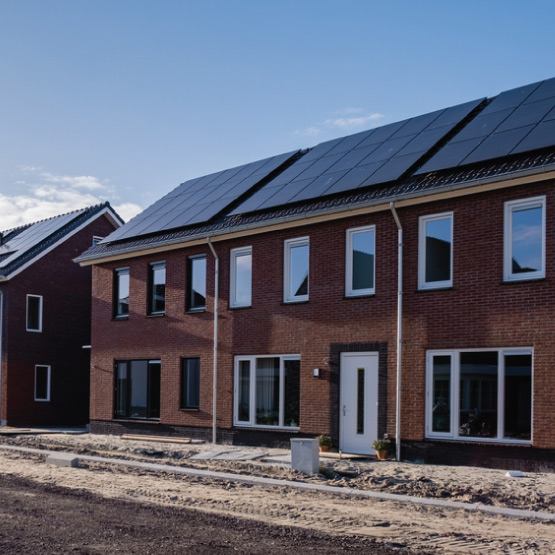
The Future Homes Standard reflects this by moving new homes away from fossil-fuel heating. Elmhurst’s own analysis of the Standard explains that its notional dwelling is based on a heat pump rather than a gas boiler, while a new requirement for renewable electricity generation means photovoltaic panels will be the most common route to compliance for many new homes.
For Elmhurst, that means discussions about making new homes more affordable must consider both what they cost to build and what they cost to live in.
Reducing standards may lower some costs at the construction stage, but if that results in higher energy bills or retrofit work later, those costs have not been eliminated, they have simply been transferred elsewhere.
Jason Hewins, New Build Dwellings Manager at Elmhurst Energy, comments:
“With a new home, we have one of the best opportunities to get energy performance right from day one. The building fabric, heating system, ventilation and renewable technologies can all be designed to work together.
“If those opportunities are missed during construction, achieving the same level of performance later can require considerably more intervention. Building well now helps avoid unnecessary retrofit in the future and gives homeowners a property that should cost less to run from the outset.”
A Long-Term View of Affordability
The UK needs more homes, and the industry should continue looking for ways to reduce unnecessary costs and remove barriers to development. But lowering standards should not be confused with improving affordability.
A genuinely affordable home is one that is reasonably priced to buy, efficient to run and capable of meeting future expectations without requiring significant additional investment.
The Future Homes Standard is designed to help achieve that by embedding better energy performance at the point where it is easiest and most cost-effective to deliver.
For Elmhurst Energy, the principle is straightforward: build better now, rather than pay to fix it later.