Preparing for EPC C by 2030: A MEES Guide for Landlords
Since the government’s January 2026 Warm Homes Plan response, the position for private landlords is clear: every private rented property in England and Wales will need to meet the equivalent of EPC band C by 1 October 2030, unless a valid exemption or transitional arrangement applies. The government’s confirmed future framework includes a £10,000 per-property cost cap and plans for maximum fines of up to £30,000 per property, per breach, for non-compliance. With more than half of UK private rented homes currently sitting below band C, many landlords will be wondering where to begin.
Before committing to insulation, heating upgrades or other measures, it is important to understand what the property actually needs. Getting the sequence right helps ensure the £10,000 cap is used where it can have the greatest impact and avoids unnecessary spend.
Your Five-Step Route to 2030 Compliance

Check your property’s current EPC
Review the existing certificate, rating and expiry date on the official Energy Performance of Buildings Register.

Review whether your EPC needs updating
If your EPC was issued before 15 June 2025, it was assessed using the previous RdSAP methodology. Before considering a reassessment under RdSAP 10, ensure the loft, heating and hot water systems are accessible, collect relevant evidence and check whether any transitional arrangements apply.
Consider an airtightness test
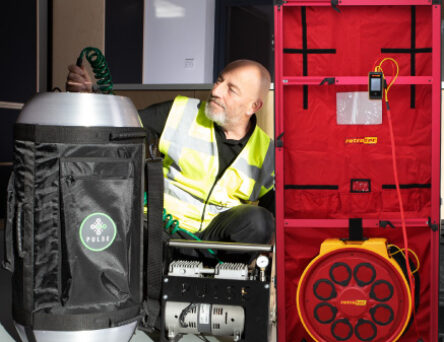
Where a property has not been tested, RdSAP 10 will use an assumed airtightness value. An air pressure test can provide a measured result, helping to give a more accurate picture of the property’s energy performance and informing any decisions around future improvements.
An Elmhurst-approved Airtightness Tester can also help investigate issues such as draughts and air leakage.

Model your improvement options
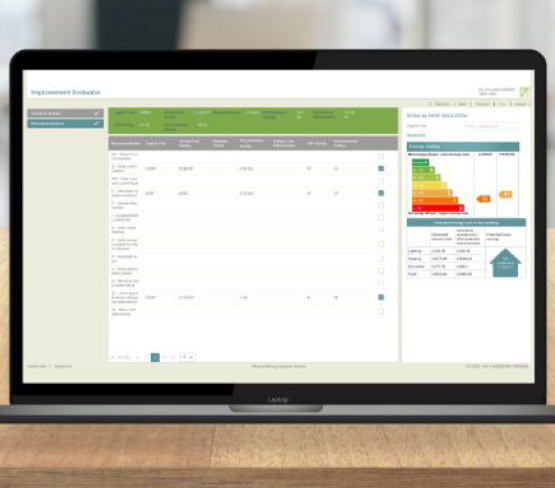
Every property is different, so understanding the impact of potential improvements before committing to work is important. An Improvement Evaluation can model different measures against the property, helping you compare their impact on the EPC rating, costs and potential payback. Using an assessor with additional MEES knowledge can help you understand which improvements may be most appropriate and how they relate to the future £10,000 cost cap.

Understand when an exemption may apply
Under the government’s future MEES framework, an exemption may apply where a property cannot meet the required standard after the applicable cost cap has been reached.
The framework will include a £10,000 cost cap, with a Property Value Adjustment for properties valued below £100,000. The updated regulations are expected to come into force in 2027, ahead of the 1 October 2030 compliance deadline.
An assessor with additional MEES knowledge can help you understand whether an exemption may apply and what evidence may be required.
Caroline Postles, Existing Dwellings Scheme Manager at Elmhurst Energy commented:
Landlords who work through this in the right order protect their £10,000 cap for the measures that actually move the needle and avoid finding out too late that a missed loft hatch or an unmeasured airtightness figure cost them options they didn’t need to lose.
Want to talk through what this looks like for your portfolio?
Get in touch with an Elmhurst-accredited assessorDEAs - Find out more about the Improvement Evaluator software and Domestic MEES Masterclass
Elmhurst Members Save 20% on the Domestic MEES Masterclass through The Next Level!
Find out more about the Improvement Evaluator software Find out more about the Domestic MEES Masterclass