
Government explores community batteries and plug-in solar to widen access to renewable energy
Households and businesses across the UK could benefit from lower energy costs under government plans to make renewable electricity generation and storage more accessible.
The Department for Energy Security and Net Zero (DESNZ) is exploring how shared community batteries could be deployed more widely, while separate plans for plug-in solar could provide households with a simpler and more affordable way to generate their own electricity.
Both technologies could particularly benefit people who cannot install conventional rooftop solar panels or domestic battery storage, including renters and those living in flats.
What are community batteries?
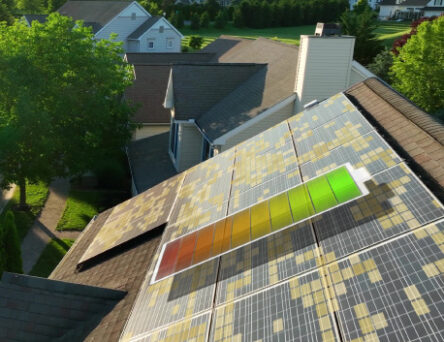
Community batteries store surplus electricity, often generated by solar panels during daylight hours, and release it at peak times when demand and electricity prices may be higher.
During periods of high energy demand, these systems could allow participating households to make greater use of lower-cost renewable electricity and reduce their reliance on grid power.
The UK government believes this approach could support a more flexible energy system while helping eligible households reduce their energy bills.
Widening access to renewable energy
A key aim of the proposals is to ensure that the benefits of renewable energy are shared more widely.
Many energy-saving technologies are currently more accessible to homeowners who can install their own systems. Community batteries could allow multiple households to benefit from shared clean energy resources.
Energy Minister Michael Shanks said:
If households are going to feel the full benefit of clean power, we need a more flexible energy system – and community batteries can help deliver it, giving renters and people living in flats the chance to store cheaper renewable electricity and cut their bills.
This is about putting power back into the hands of local people and ending our reliance on fossil fuel markets driving the affordability crisis – helping communities take control of their energy, build local wealth and restore pride in place. [1]
The proposals could also support locally owned energy projects, encouraging communities to play a direct role in generating and managing their electricity. This could help retain financial benefits within local areas and support local economies.
Government seeks views on future deployment
Despite their potential, community batteries are not yet widely used in the UK.
At the time of writing, the UK government is seeking feedback on how to overcome barriers including regulations, commercial challenges and safety concerns, with the aim of understanding whether their use could be rolled out nationwide.
Other countries, including Australia, have already introduced community battery systems on a larger scale, demonstrating how they can help neighbourhoods make better use of locally generated solar power.
Access the government’s call for evidence on community batteries
Early community battery projects
Early projects in the UK have shown promising results.
In Bridport, Dorset, a 54-home development using rooftop solar panels, battery storage and other technologies reduced energy costs by around £1,300 per home each year.
Meanwhile, a trial project at Elmore House in Brixton delivered average savings of around £180 annually from solar generation and battery use across four participating households.
Government case studies indicate that combining solar panels with shared battery storage can significantly reduce the amount of electricity taken from the grid, in some cases cutting energy use by more than half.
Supporting wider access to clean energy
Community batteries form part of the government’s wider plans to expand renewable electricity generation and reduce household energy bills.
This broader approach also includes increasing the use of rooftop solar panels on new homes and making smaller-scale solar systems more accessible.
One technology being considered as part of this work is plug-in solar, which could offer households a lower-cost alternative to a conventional rooftop installation.
What are plug-in solar panels?
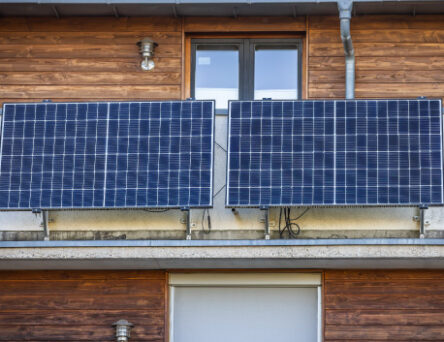
Plug-in solar panels are designed to provide a lower-cost alternative to traditional rooftop installations.
The devices can be positioned on balconies, patios, in gardens or other suitable outdoor spaces, generating electricity that is fed directly into a home’s power supply through a standard mains connection.
Because the devices are intended to be self-installed and professional installation is not required, their upfront costs are expected to be significantly lower than those of conventional rooftop solar panels.
The government believes the technology could expand access to solar energy while building on the savings already available through conventional rooftop systems, which it estimates can reduce annual household energy costs by up to £480.
Major retailers support government plans for plug-in solar panels
Households across the UK could soon have a more affordable way to generate their own electricity, as major retailers support government plans to introduce plug-in solar panels for homes.
Leading household brands including Currys, B&Q, Amazon and Lidl have taken part in discussions with the government about making plug-in solar technology available to UK consumers.
The technology could provide a more accessible route into renewable electricity generation, particularly for renters and households that may be unable to install conventional rooftop solar systems.
Retailers join government discussions
During a recent roundtable meeting with some of the country’s largest retailers, Energy Consumers Minister Martin McCluskey highlighted the potential role of plug-in solar panels in the UK’s transition to cleaner electricity.
Representatives from Amazon, Asda, B&Q, Currys, Screwfix and Wickes attended the discussions, which considered how the technology could help consumers reduce their electricity costs.
Speaking after the meeting, McCluskey said:
Plug-in panels can be transformative for renters or those on lower incomes, so I welcome the conversation today with household names such as B&Q and Currys showing a huge amount of support for getting the panels in people’s homes.
This easy to install tech can cut people’s bills and help make the UK less reliant on global fossil fuel markets. [2]
Retailers have also welcomed the proposals. Amazon described the initiative as an opportunity to make renewable energy more accessible to households, while B&Q said it was working closely with government officials and suppliers to ensure that products intended for sale are safe, compliant and easy for customers to use.
Lidl expressed support for the government’s work to establish a clear regulatory framework, saying plug-in solar technology could offer consumers an accessible and affordable way to reduce energy bills.
Currys also noted that similar systems have already been adopted in parts of Europe and could offer another option for UK households looking to manage their energy costs.
Consultation and regulatory changes
The retailer discussions took place alongside a public consultation seeking views from industry stakeholders on the regulatory changes and safety standards required for plug-in solar panels.
Following the consultation, the government confirmed that it would proceed with amendments to the relevant regulations and introduce an interim product specification.
Together, these measures are intended to enable consumers to use compliant plug-in solar devices safely.
UK solar installations continue to grow
The plans come amid continued growth in the UK’s solar sector.
According to government figures, approximately 269,000 solar installations were completed nationwide during 2025, representing a 37% increase compared with the previous year and the highest total recorded in a calendar year.
Around 255,000 of these were rooftop installations, meaning that the majority of new solar installations were added to homes, businesses and other buildings.
The figures indicate that rooftop solar systems were installed at an average rate of one every two minutes during 2025.
Ministers hope that the introduction of compliant plug-in solar devices will help make renewable energy accessible to an even wider range of households.
Sources and further information
Elmhurst will continue to monitor developments in this area and consider how plug-in technologies could be reflected in future RdSAP and HEM methodologies. They are not currently recognised within domestic energy assessments.
[1] https://www.gov.uk/government/news/new-proposals-to-cut-bills-with-community-batteries
[2] https://www.gov.uk/government/news/more-families-to-benefit-from-lower-bills-through-plug-in-panels