
Scottish Government Publishes Consultation Findings on Plans to Introduce MEES for Private Rented Homes from 2028
The Scottish Government has published the findings of its consultation on proposed Minimum Energy Efficiency Standards (MEES) for privately rented homes, highlighting support for improving energy efficiency alongside calls for greater clarity, financial assistance and flexibility.
The findings provide further insight into the challenges and opportunities associated with improving Scotland’s rental housing stock, with the aim of creating warmer, more energy-efficient homes, reducing fuel poverty and supporting net zero ambitions.
The consultation, which initially ran from 6th June to 29th August 2025, received 316 responses from organisations and individuals, including landlords, local authorities and industry representatives. Elmhurst Energy was the only government-approved EPC accreditation scheme to submit a response, contributing its technical expertise and industry perspective to the proposals.
Additional research was also commissioned to better understand tenants’ views on the proposed changes.
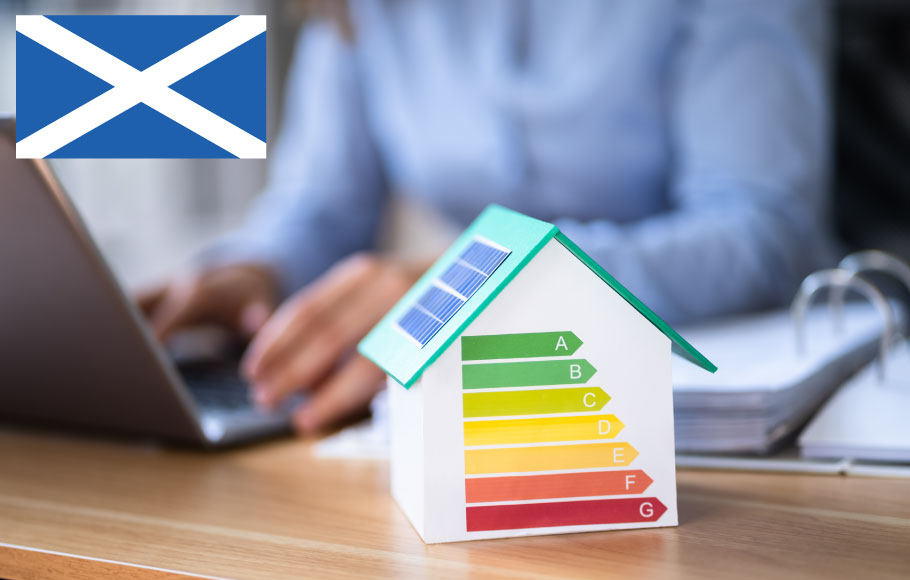
What Is Being Proposed?
Under the Scottish Government’s proposals, privately rented homes would be required to achieve a minimum Energy Performance Certificate (EPC) Heat Retention Rating (HRR) of band C, wherever reasonably possible.
The original timetable proposed introducing the requirements from 2028 for properties being let to new tenants, before extending them to all privately rented homes by the end of 2033, including those with existing tenancies.
The minimum standard would be based on Scotland’s reformed EPC system proposed to be introduced in April 2028, which would display a dedicated Heat Retention Rating metric to show how effectively a property retains heat.
This would place greater emphasis on improving the building fabric, including insulation and draught reduction, helping homes maintain comfortable temperatures while using less energy.
The proposals also include a £10,000 cost cap on required improvements, alongside exemptions where measures are unsuitable, necessary consent cannot be obtained or temporary circumstances prevent compliance.
However, the final requirements and implementation timetable remain unconfirmed.
What Did the Consultation Find?
The analysis revealed mixed views on the proposals. While there was recognition of the importance of improving energy efficiency across Scotland’s private rented sector, respondents highlighted several considerations that will need to be addressed before the standards are introduced.
Improving Energy Efficiency in Rented Homes
A majority of respondents supported the proposed EPC Heat Retention Rating of band C, recognising its potential to reduce energy demand, tackle fuel poverty and improve the quality of rented homes.
However, concerns were raised about whether all properties could reasonably achieve the standard, particularly older stone buildings, listed properties and tenements.
Some respondents also called for greater flexibility in how improvements are assessed, including consideration of heating system efficiency alongside building fabric performance.
Implementation Timescales
Views on the proposed 2028 and 2033 deadlines were divided.
Some respondents welcomed a phased approach, recognising that it would give landlords time to plan improvements and help manage demand across the retrofit industry. Others felt that additional time would be needed, particularly given uncertainty surrounding the reformed EPC system, the availability of qualified professionals and the costs involved.
There were also calls for earlier action from respondents concerned about the pace of progress towards fuel poverty and climate targets.
Financial Support and Exemptions
One of the clearest areas of agreement was the need for financial support to help landlords undertake energy efficiency improvements.
A large majority supported Scottish Government assistance, with many favouring grants or a combination of grants and loans.
The proposed £10,000 cost cap received less support, with many respondents considering it too high, particularly for smaller landlords and those operating in lower-rent areas.
There was stronger support for exemptions where improvements would be technically unsuitable or impractical.
Respondents also welcomed the proposed use of Heat and Energy Efficiency Technical Suitability Assessments (HEETSA) to help identify appropriate improvements and provide evidence where certain measures could negatively affect a property’s fabric.
These findings highlight the importance of an approach that recognises Scotland’s diverse housing stock while ensuring improvements deliver meaningful benefits.
What Do Tenants Think?
Alongside the consultation analysis, the Scottish Government published a separate tenant engagement research report, exploring how the proposed standards could affect people living in privately rented homes.
The research found that participating tenants were broadly supportive of introducing minimum energy efficiency standards, particularly where improvements could lead to warmer homes, lower energy bills and better living conditions.
However, tenants also expressed concerns about the potential for landlords to pass improvement costs on through higher rents, disruption caused by building work and whether the regulations would be effectively enforced.
The report identifies several areas requiring further consideration, including stronger tenant protections, clear rules around exemptions, quality assurance of improvement work and accessible guidance on tenant rights.
These findings reinforce the importance of ensuring that improvements to energy efficiency translate into genuine benefits for tenants, without creating additional financial pressures or housing insecurity.
Elmhurst’s Thoughts
Joanne Bailey, Existing Dwellings Technical Lead at Elmhurst Energy, comments:
Elmhurst welcomes the continued focus on improving the energy efficiency of Scotland’s privately rented homes.
However, the scale of the challenge should not be underestimated. According to the 2024 Scottish House Condition Survey, 50% of privately rented homes in Scotland were rated EPC band D or below under the existing methodology. This highlights both the significant work ahead and the opportunity to improve living conditions for tenants, reduce energy demand and help tackle fuel poverty.
The consultation findings reinforce the importance of introducing standards that are both ambitious and achievable. Scotland has a diverse housing stock, and improvements must be appropriate for each property, supported by clear guidance, realistic timescales and access to qualified professionals.
Energy assessors and retrofit professionals will have an important role to play in helping landlords understand their properties and identify suitable improvements that deliver genuine benefits for tenants.
What Happens Next?
The Scottish Government has yet to confirm the final regulations or implementation timetable for MEES in the private rented sector.
The consultation findings, alongside the additional tenant research, provide evidence to inform the Government’s decisions on the proposed standards, timescales and support available to landlords.
Elmhurst will continue to monitor developments and keep members informed as further details become available.
Related content:
https://www.gov.scot/publications/consultation-analysis-prs-mees-regs/documents/
https://www.gov.scot/publications/tenant-engagement-research-report-prs-mees-regs/pages/1/
https://www.gov.scot/publications/scottish-house-condition-survey-2024-key-findings/