
Airtightness Testing and the Warm Homes Plan: Why Measured Performance Matters
As the UK government steps up efforts to improve the energy efficiency of its housing stock, the Warm Homes Plan is placing greater emphasis on how homes perform in practice.
This is particularly relevant as homeowners, landlords and housing providers look to improve energy efficiency. While much of the focus has previously been on insulation, low-carbon heating and funding, an important question remains: what role does airtightness testing play in delivering energy efficiency?
Understanding airtightness testing
Airtightness testing is a diagnostic process used to measure the extent of uncontrolled air leakage through a building’s fabric. It has been a legal requirement for new dwellings in England since changes to Part L (the section of Building Regulations covering energy efficiency) came into force in June 2022.
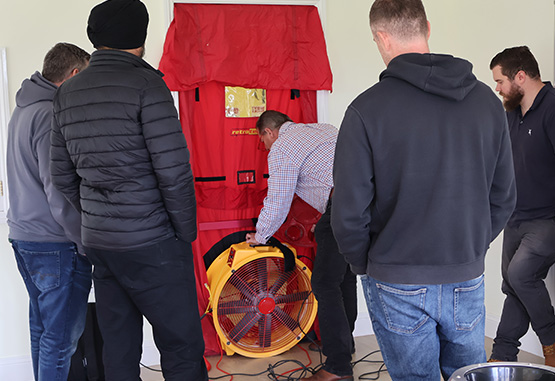
Typically conducted at the final stages of construction, the test ensures a property meets compliance standards before sign-off by Building Control. Using specialist equipment, such as blower door systems or pulse testing devices, an airtightness tester measures how much air escapes through gaps and unintended openings in the building. The results are then documented in a formal test certificate, which feeds into the methodology used to calculate a home’s energy performance (SAP) and overall compliance evidence.
Although airtightness testing is mostly associated with new build compliance, its relevance extends directly into retrofit and policy delivery under the Warm Homes Plan.
What is the Warm Homes Plan?
First introduced as part of Labour’s 2024 general election manifesto, the Warm Homes Plan sets out a long-term strategy to upgrade the UK’s housing stock. The initiative aims to unlock large-scale investment in energy efficiency measures, including insulation, solar technologies, battery storage, and low-carbon heating systems.
Delivery is expected to be coordinated through partnerships between national government, local authorities, devolved administrations, and private lenders. Alongside financial support mechanisms such as grants and low-interest loans, the Plan reinforces policy commitments to raise minimum energy efficiency standards, particularly in the private rented sector, where homes are expected to achieve at least EPC band C by 2030.
Elements of the Plan are already underway. For example, the Warm Homes: Local Grant is providing £500 million to local authorities in England to improve the homes of low-income households, while the Warm Homes: Social Housing Fund has allocated £1.29 billion to upgrade social housing stock below EPC band C.
LEARN MOREWhere airtightness testing fits in
At its core, airtightness affects how efficiently a home retains heat. Poor airtightness leads to uncontrolled ventilation and heat loss, increasing energy demand and costs. Improving airtightness can significantly enhance thermal performance and occupant comfort. This has several important implications:
Improving EPC Accuracy
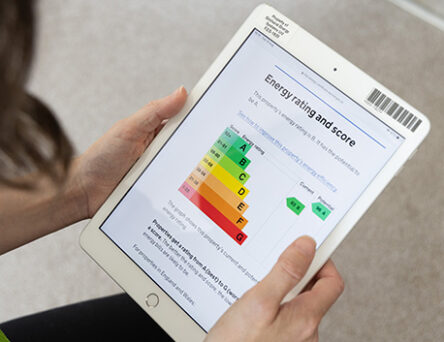
Energy Performance Certificates (EPCs) are central to the Warm Homes Plan.
Where no measured airtightness data exists, assessors must rely on a default air permeability value. This default can significantly underestimate a property’s actual performance, particularly where improvements have been made.
Measured airtightness results allow assessors to input real data, leading to more accurate EPC ratings and better-informed recommendations.
Supporting Effective Retrofit Decisions
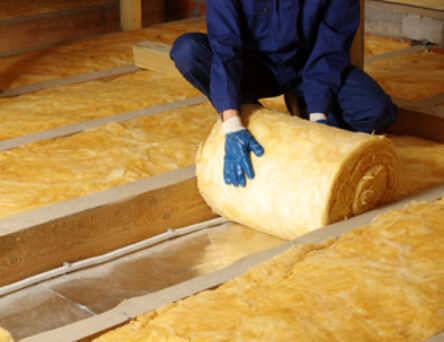
Accurate building performance data is essential when planning energy efficiency upgrades.
Airtightness testing provides insight into where heat loss is occurring, enabling targeted interventions rather than generic solutions.
Enabling Correct Heat Pump Sizing
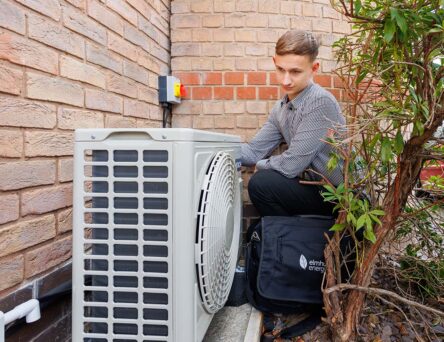
Correct system sizing depends heavily on understanding a building’s heat loss.
Airtightness testing contributes to this by helping determine the air change rate (ACH) – the number of times indoor air is replaced within an hour. This metric is crucial in heat loss calculations, as incorrectly sized systems can lead to inefficiency, higher running costs and reduced lifespan if oversized, or insufficient heating and poor comfort if undersized. Using measured data helps ensure systems are appropriately specified and perform as intended.
A growing opportunity for industry professionals
As the Warm Homes Plan progresses, demand for robust, evidence-based assessments is expected to increase. Airtightness testers are well positioned to support this transition.
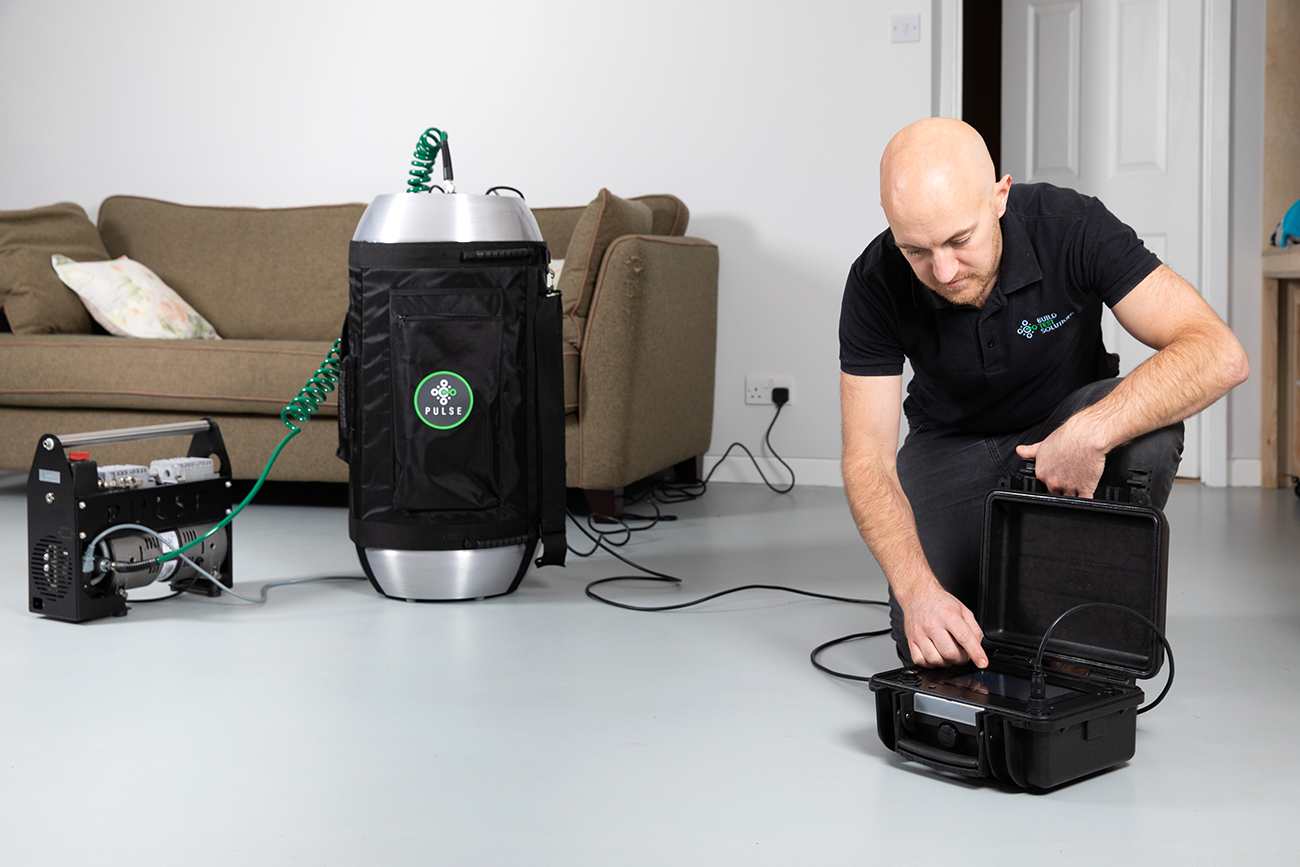
By providing measured performance data, airtightness testers contribute to lower energy bills, more accurate EPCs, better-performing low-carbon heating systems, and wider progress towards tackling fuel poverty and achieving net zero targets.
While airtightness testing is not yet a mandatory requirement for existing homes undergoing retrofit, its value is becoming increasingly clear. As policy develops and expectations around measured performance grow, it is likely to play a more prominent role in ensuring that upgrades deliver practical results.
For professionals across the energy assessment and retrofit sectors, integrating airtightness testing into standard practice could prove essential in meeting both regulatory requirements and customer expectations in the coming years.
Take your skills to the Next Level with Elmhurst’s Airtightness Testing Training
To meet the increasing demand for robust, evidence-based air tightness assessments, Elmhurst Energy offers dedicated Airtightness Testing Training. This three-day course offers new entrants, as well as existing energy and retrofit professionals, the essential skills and knowledge required to conduct full air pressure/airtightness tests for Level 1 UK properties.
Elmhurst members can also benefit from a 10% Next Level Discount, through our new initiative designed to help Elmhurst members upskill in the areas gaining the most traction across our industry.
With demand continuing to rise, now is the ideal time to upskill, expand your service offering, and position yourself at the forefront of the UK’s Warm Homes Plan.

Level 1 Airtightness Testing
£1,450.00 + VAT
Currently with an exclusive 10% off for Elmhurst members
Book your place on Elmhurst’s Airtightness Testing course and gain a comprehensive understanding of the industry, covering key principles of testing and the regulations and standards that govern the process. You will also receive hands-on experience with the equipment. Perfect if you are new to the industry, as well as existing energy and retrofit professionals.