
A Day in the Life of a Domestic Energy Assessor (DEA) in 2026
With the UK’s growing focus on sustainability, the role of a Domestic Energy Assessor (DEA) has become increasingly relevant to the UK’s future housing needs.
The job is hands-on and varied, involving property visits, data collection, and the production of Energy Performance Certificates (EPCs).
If you’re exploring new career options and want something flexible, practical and relevant to the industry, becoming a Domestic Energy Assessor might be a strong fit. This guide will walk you through a typical working day in the life of a Domestic Energy Assessor (DEA) in the UK.
By the end of this guide you will understand the role, career path, and how Elmhurst Energy’s accredited training supports your career in energy assessment.
What Does a Domestic Energy Assessor Do?
The main purpose of the DEA role is to assess the energy performance of residential properties.
In practice, this involves visiting homes, collecting key information, and producing an Energy Performance Certificate (EPC). The EPC provides a standardised rating of a property’s energy efficiency, along with RdSAP software generated recommendations for improvement, based on the data gathered during the assessment.
A typical working day is structured around property visits. Many DEAs manage their own schedules, arranging appointments with homeowners, landlords or letting agents. Depending on location and workload, it’s common to carry out several assessments in a day, with travel between each property.
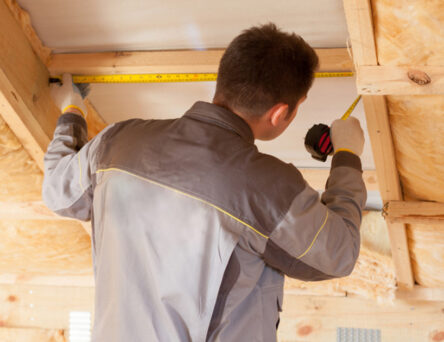
During a visit, the assessment follows a clear and structured process. This includes measuring the property, identifying construction details, and recording information about insulation, heating systems, windows and lighting. Alongside this, you’ll usually explain the process to the occupier and ensure all relevant areas of the home are accessible, including the boiler and loft space.
Once site visits are complete, the focus shifts to producing and lodging EPCs. Using accredited software, the data collected on-site is input and processed to generate the final certificate. Accuracy is essential at this stage, as the EPC is used by homeowners, buyers, landlords and compliance bodies.
Ultimately, the role combines practical on-site work with structured desk-based tasks. It also offers a high level of flexibility, with many assessors working independently or in partnership with organisations such as estate agents, housing providers or accreditation bodies like Elmhurst Energy.
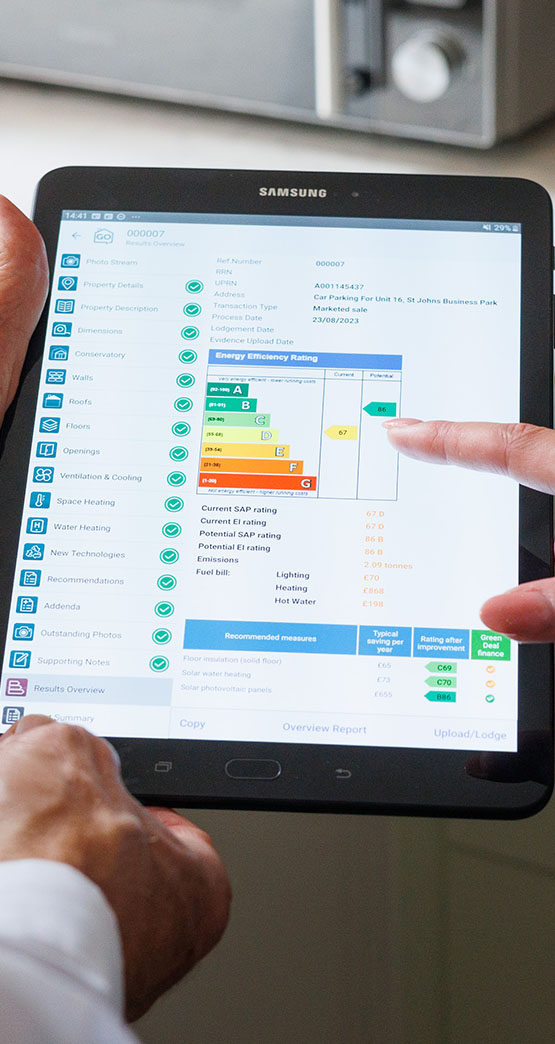
Energy Performance Certificates (EPCs)
At the centre of a Domestic Energy Assessor’s role is the production of Energy Performance Certificates (EPCs). This is the main output of every assessment and a key requirement within the UK property market.
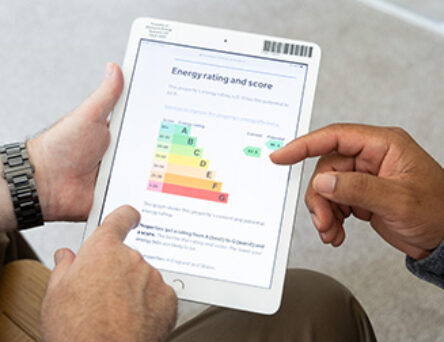
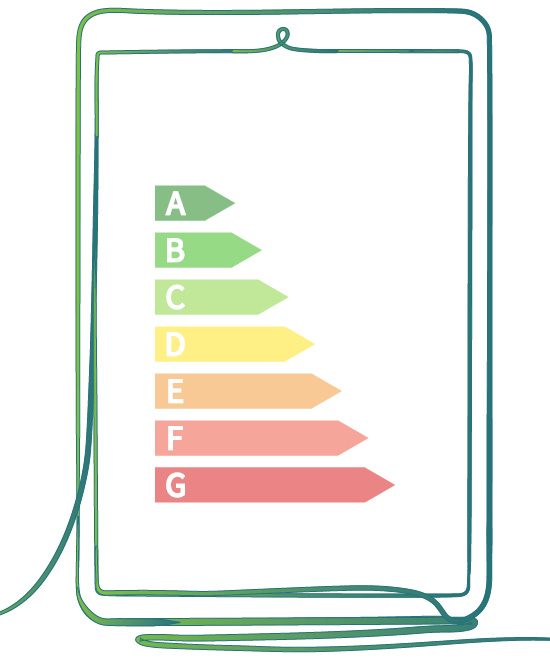
An EPC provides a standardised rating of a property’s energy efficiency, graded from A (most efficient) to G (least efficient). It also includes recommendations that highlight how the property’s performance could be improved, helping owners and occupiers understand potential changes.
EPCs are legally required when a property is built, sold or rented, making them a critical part of property transactions and regulatory compliance. Without a valid EPC, a property cannot be put on the market, which means the work carried out by a DEA plays an essential role in keeping the housing market moving.
To produce an EPC, a DEA collects data during a property visit and inputs it into approved software. The system applies a consistent methodology to calculate the rating and generate the certificate. This ensures that all EPCs are produced to the same standard, regardless of who carries out the assessment.
Beyond compliance, EPCs are increasingly used to inform decisions around improving homes. Whether it’s identifying areas where energy use can be reduced or supporting wider housing standards, the certificate provides a clear, practical output that is used across the industry.
THE EPC EXPLAINEDUnderstanding The Key Differences Between DEAs and Retrofit Assessors
While Domestic Energy Assessors (DEAs) and Retrofit Assessors both work within the energy efficiency space, their roles serve different purposes. Understanding these differences is important when exploring which pathway aligns best with your interests and long-term career goals.
| Area | Domestic Energy Assessor | Retrofit Assessor |
| Purpose | Assess current energy performance | Assess current energy performance, alongside reporting on condition and occupancy |
| Output | EPC certificate | Retrofit assessment report |
| Usage | Compliance & property transactions | Upgrade projects & funding schemes |
For those entering the sector, the DEA role is often seen as a starting point. It provides a clear understanding of how to assess properties accurately and how they perform. From there, some professionals choose to expand their expertise into retrofit, building on their knowledge to take on more detailed, project-based work.
A Typical Day as a DEA
A typical day as a Domestic Energy Assessor (DEA) is split between visiting properties and completing work digitally. While schedules can vary, the structure is generally consistent, combining on-site assessments with time spent producing Energy Performance Certificates (EPCs).

Step 1: Preparation and Property Visits
The day usually begins with reviewing your schedule and planning your route between properties.
Many assessors have multiple appointments booked each day, so efficient travel planning is important.
At each property, the process starts with the DEA introducing themself and explaining the assessment to the occupier. From there, the DEA carries out a structured inspection of the home, gathering the information needed to complete the assessment.
This includes:
- Measuring the property and recording its layout
- Identifying construction details such as walls, roofs and floors
- Assessing heating systems, insulation, windows and lighting
While the process follows an industry-approved methodology, every property is different, ranging from newer homes to older or more complex buildings, which keeps the role interesting.
Step 2: Data Analysis and Report Generation
After completing site visits, the focus shifts to office-based work.
Using accredited software, The DEA will input the data collected during the day to produce Energy Performance Certificates. This stage requires accuracy and attention to detail, as the final outputs are used for property transactions and compliance.
Depending on workload, some assessors complete this between appointments, while others complete them in batches at the end of the day.
Interested to see what a typical day might look like for a Domestic Energy Assessor?

The Impact of Your Work
The core responsibility of a DEA is to produce Energy Performance Certificates (EPCs); however, the impact of the role extends beyond this.
For property owners and occupants, an EPC provides clear information about a homes current energy performance, along with recommendations for improvement. In many cases, this guidance is the starting point for property owners decisions around upgrades such as insulation or heating systems.
The role also supports compliance within the property market. By ensuring that properties are assessed accurately and consistently, DEAs help maintain transparency for buyers and tenants, allowing them to make more informed decisions.
More broadly, EPC data contributes to how housing performance is understood at a national level, supporting wider efforts to improve energy efficiency across the UK.
Deciding if a Career as a Domestic Energy Assessor is Right for You
A career as a DEA tends to suit individuals who are comfortable travelling between locations and enjoy a balance of practical activity and analytical work. If you prefer not to be sat a desk all day, but still value clear processes and measurable outputs, the DEA role could be the right fit.
You may be well suited to the role if you:
- Enjoy working independently. Many DEAs manage their own schedules and workloads, requiring self-motivation and organisation
- Have a good eye for detail. Accurate data collection and input are essential for producing reliable EPCs
- Are comfortable in different environments. From new builds to older complex properties, the role involves visiting a wide range of buildings and dwellings.
- Like interacting with people. Although it is not a sales role, clear communication with property owners and occupants is important
- Prefer structured processes. The assessment methodology provides a consistent framework for carrying out the work
Key Skills and Qualities Needed to Succeed in the Role
Working as a Domestic Energy Assessor (DEA) doesn’t require a traditional academic pathway, or previous experience. But it does rely on a combination of practical skills, attention to detail, and professional judgement. Many of these are transferable from a wide range of previous roles, making the profession accessible to those with varied experience.
Key skills that support success in this role include:
- Attention to detail
- Organisation and time management
- Proficiency with technology
- Communication skills
- Practical and observational skills
- Self-motivated and comfortable working independently
Flexibility and Independence in the Role
One of the defining features of working as a Domestic Energy Assessor (DEA) is the level of flexibility it can offer. Unlike many traditional roles, there are often opportunities to shape your working day around personal commitments and availability.
Many DEAs operate on a self-employed basis or manage their own schedules, arranging appointments directly with homeowners, landlords or agents. This means you can plan your workload in a way that suits you.

Control Over Your Working Day
A typical day involves multiple property visits, but how those visits are scheduled can vary. Some assessors prefer to group appointments within a specific area to minimise travel, while others spread work more evenly throughout the week.
This level of control allows you to:
- Decide how many assessments to carry out each day
- Plan routes and manage travel efficiently
- Structure your day to suit your preferred working pattern
Different Ways to Work
Not all DEAs work in the same way. Some choose to operate independently, building relationships with estate agents or housing providers, while others work within organisations that provide a steady flow of assessments.
The role offers a level of flexibility that is not always found in more traditional careers. With the ability to manage your own time, workload and working style, becoming a Domestic Energy Assessor provides a flexible pathway that can adapt as your circumstances or priorities change.
Your Pathway to Becoming a Qualified DEA with Elmhurst Energy
If you’re considering becoming a Domestic Energy Assessor, Elmhurst Energy can support you with industry recognised training, accreditation and ongoing technical support.
Step 1: Complete an Approved DEA Training Course
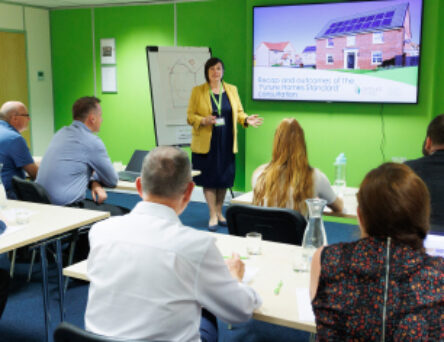
The first step is to complete and pass a Level 3 Domestic Energy Assessor course, which provides the knowledge and practical skills required to carry out assessments.

Step 2: Build Your Portfolio
Following the training, you’ll complete a portfolio of evidence demonstrating your ability to carry out assessments to the required standard. This usually involves conducting supervised or practice assessments and submitting your work for review.
Support during this stage is important, as it ensures you are applying the methodology correctly and meeting industry requirements.

Step 3: Gain Accreditation
To produce EPCs legally in the UK, you must be a member of an approved accreditation scheme. Elmhurst Energy is one of the leading accreditation bodies, enabling qualified assessors to lodge EPCs on the national register.
Step 4: Start Carrying Out Assessments
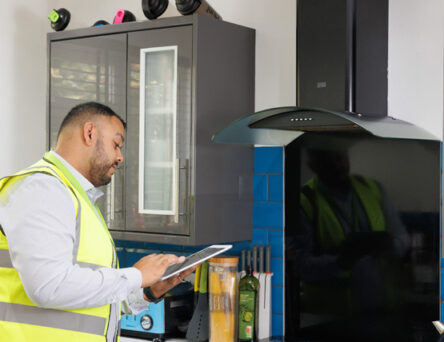
Once qualified and accredited, you can begin working as a DEA. This may involve working independently, partnering with estate agents or housing providers, or joining an organisation that requires energy assessments.
Why Train with Elmhurst Energy?
Invest in you. Build your career. Trust Elmhurst to take you further – because your success is ours too.
As the UK’s largest government-approved EPC accreditation provider, we have a genuine vested interest in your success, because our name is on your certificate. We don’t just train you and leave you to it; we continue to support you throughout your career with resources, CPD, technical support, and a strong professional community.
 Value. Choice. Speed. Support – Lasting value, industry-respected qualifications, and trusted support – all with the speed and flexibility to learn your way
Expertise – Learn from fully qualified trainers with invaluable industry experience Adaptability – Courses shaped by industry needs and your feedback Personalised Support – Guidance tailored to your pace and style of learning Qualify with Confidence – Gain practical, real-world knowledge to thrive from day one Support Beyond Training – From accreditation to ongoing CPD, we’re with you every step of the way
You can see how we compare to other providers below.
SEE COMPARISON TABLE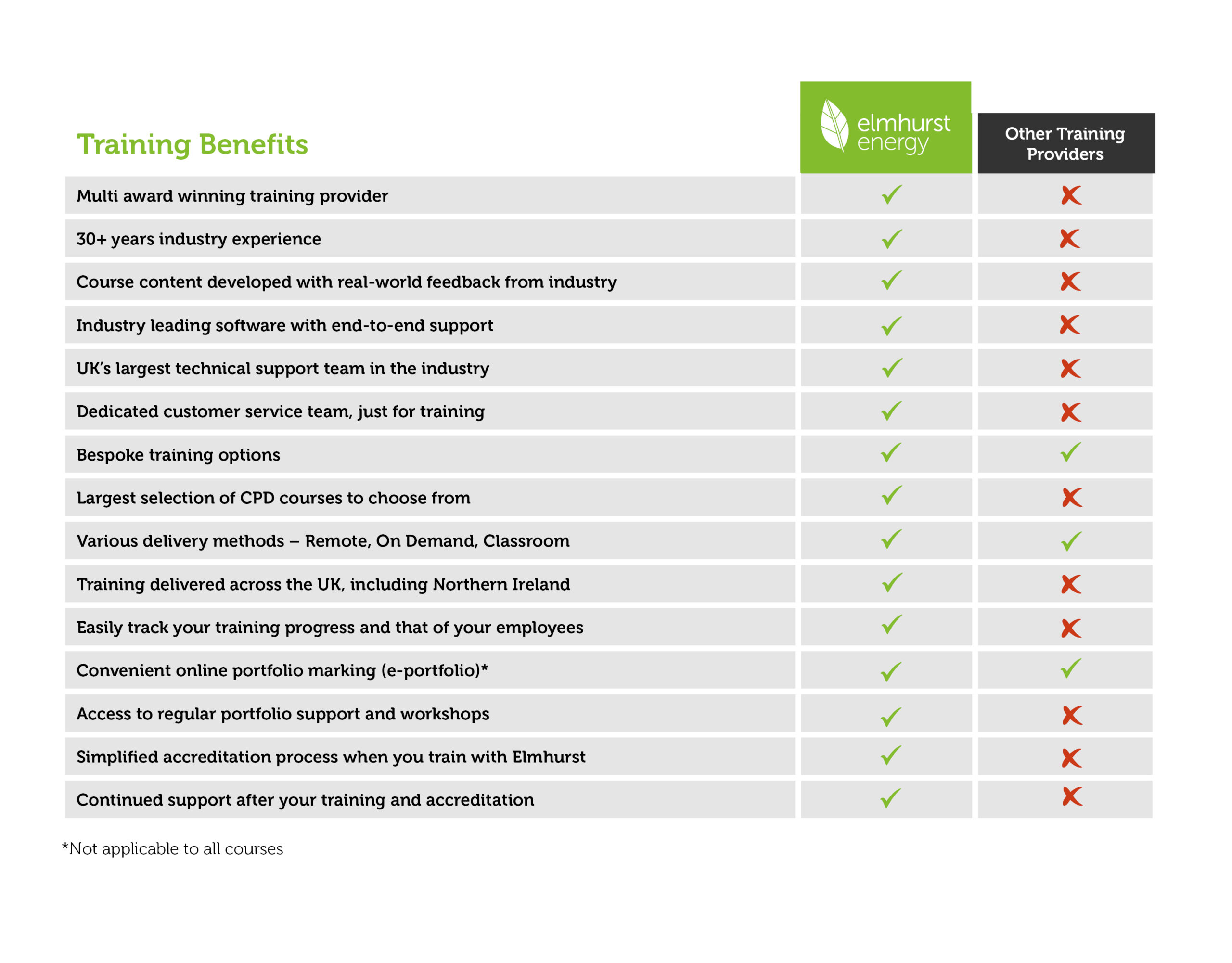

Becoming an Accredited Assessor
Becoming a qualified Domestic Energy Assessor is only part of the process. To legally produce and lodge Energy Performance Certificates (EPCs) in the UK, you must also be a member of an approved accreditation scheme. This is a mandatory requirement and a critical step in becoming fully operational in the role.
Accreditation ensures that all assessors are working to consistent standards, using industry approved methodologies and software. It provides a framework for quality assurance, helping maintain trust in the EPC system across the property market.
As an accredited DEA, the work you produce is recognised, compliant, and trusted. Without accreditation, you cannot legally issue EPCs, making it an essential component of the role.
By joining an accreditation scheme like Elmhurst Energy, you will receive ongoing support, which can be valuable when starting out, helping you build confidence while ensuring your work meets required standards.
Accreditation schemes also carry out regular audits of assessments. While this may sound daunting, it plays an important role in maintaining the integrity of the EPC system. It ensures that all assessors are applying the methodology correctly and consistently, which benefits both professionals and the wider industry.
JOIN OUR ACCREDITATION SCHEMEMarket Leading Support Throughout Your Career
Starting out in any new profession can feel like a significant step, which is why Elmhurst Energy offer ongoing support throughout your career, providing the guidance and resources needed to work with confidence and consistency.

Support from Day One
From the moment you begin your training, you have access to experienced tutors and technical specialists who understand both the qualification process and the realities of working as a DEA. This ensures that you are supported not only in learning the material, but in applying it correctly as you progress.
During the portfolio and early working stages, this support becomes particularly valuable, helping you navigate questions, avoid common mistakes, and build confidence in your assessments.

Ongoing Technical Guidance
Once accredited, Elmhurst Energy provides dedicated helpdesks and guidance services, allowing you to get clear answers when you need them. This level of access helps ensure that you are never working in isolation, even if you are operating independently.
Keeping You Up to Date
As the energy assessment and housing sectors continue to develop, changes to regulations, standards, and best practice are to be expected. Elmhurst Energy keeps assessors informed through regular updates, guidance notes, and industry insights, ensuring your knowledge remains current and compliant.

Continuing Professional Development
Elmhurst Energy supports ongoing development through additional training, CPD opportunities, and pathways into related areas such as retrofit and other specialist roles to allow you to expand your skillset and adapt your career as the industry progresses.

A Long-Term Partnership
Partnering with Elmhurst Energy ensures you are supported to sustain and grow your career with confidence.
Frequently Asked Questions
To become a Domestic Energy Assessor (DEA), you need to complete an approved Level 3 DEA qualification. This covers the knowledge and practical skills required to assess residential properties and produce Energy Performance Certificates (EPCs).
Once qualified, you must also join an approved accreditation scheme to legally lodge EPCs on the national register. No specific prior degree is required, making the role accessible to individuals from a wide range of professional backgrounds.
The timeframe can vary depending on the training provider and your pace of study, but many learners complete the process within a few weeks to a few months.
This includes:
- Completing the training course
- Building and submitting your portfolio of evidence
- Gaining accreditation
Flexible learning options mean you can often progress at a pace that suits your schedule, allowing for a relatively quick route into the profession compared to many other roles.
Demand for Domestic Energy Assessors remains high, driven by ongoing requirements for EPCs in property sales and rentals, as well as the wider focus on improving energy efficiency across the UK housing sector.
Earning potential can vary depending on workload, location, and whether you are employed or self-employed. Many DEAs are paid per assessment, meaning income is often linked to the number of properties assessed.
With experience, there are also opportunities to expand into related areas, such as retrofit or other specialist roles supporting longer-term career development within the energy and built environment sectors.
Yes, flexibility is a key feature of the role. Many DEAs operate on a self-employed basis or manage their own schedules, allowing them to control their workload and working hours.
Others choose to work with organisations such as estate agents, housing providers, or energy companies, which may offer a more structured pipeline of work. This flexibility makes the role adaptable to different working preferences.
Elmhurst Energy provides support throughout training and beyond. Members benefit from:
- Access to technical helpdesks for day-to-day queries
- Regular updates on regulatory and industry changes
- Approved software and tools for producing EPCs
- Quality assurance and auditing to maintain standards
- Continuing professional development (CPD) opportunities
This ongoing support helps ensure DEAs remain confident, compliant, and up to date throughout their careers in the industry.
Elmhurst Energy’s training is designed with both current requirements and future industry developments in mind. Alongside core assessment skills, the training builds an understanding of how energy efficiency is changing within the UK housing sector.
With increasing focus on sustainability, regulatory changes, and whole-house approaches to improvement, DEAs are well positioned to adapt and grow. Elmhurst Energy supports this progression through continued learning opportunities and pathways into areas such as retrofit and other specialist roles.
This ensures that learners are prepared to start working as a DEA and equips them to adapt their skills as the industry develops.