
UK Government Moves to Break Gas Price Grip on Electricity Bills
The UK government has announced a package of reforms aimed at reducing the impact of volatile gas prices on electricity costs. The measures form part of a broader strategy to improve energy security, stabilise bills, and accelerate the transition to low-carbon energy.
The announcement comes amid ongoing global instability, which continues to highlight the UK’s exposure to international fossil fuel markets. While progress has been made in recent years, around 30% of Great Britain’s electricity supply remains influenced by gas-driven wholesale pricing, leaving consumers vulnerable to external price fluctuations.
While the policy direction is clear, the implications for the built environment and energy assessment sectors are particularly significant.
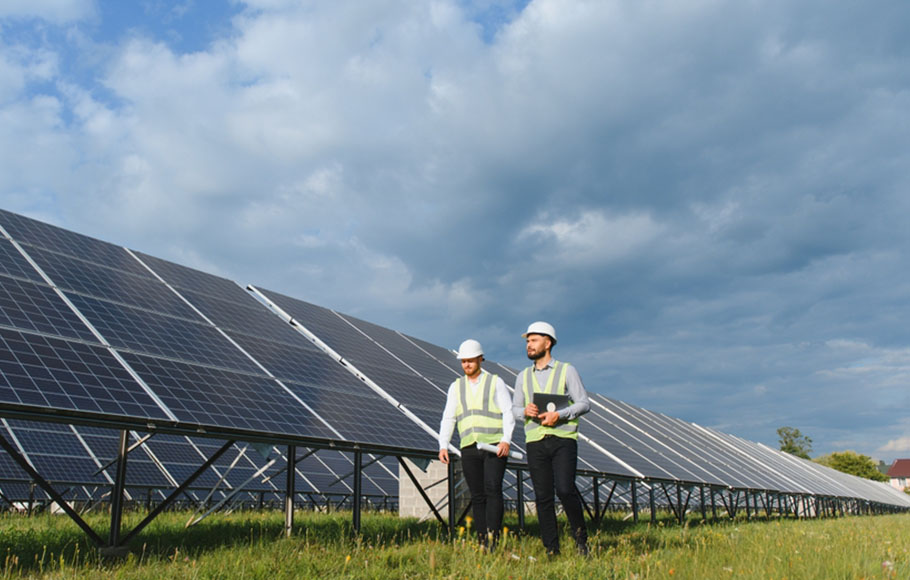
Decoupling Electricity Prices from Gas
Electricity prices in Great Britain are currently influenced by gas generation, even as renewable and nuclear capacity continues to grow. This exposure means global events, such as political instability or supply disruptions, can quickly translate into higher costs for households and businesses.
To address this, the government intends to reduce reliance on gas-driven pricing by offering voluntary long-term fixed-price contracts to certain low-carbon generators not already operating under such arrangements. These generators account for around a third of the UK’s electricity supply, and the move is intended to improve price stability over time.
Alongside this, the government is taking action to ensure excess profits made during periods of high gas prices are shared more fairly. To do this, the Electricity Generator Levy will increase from 45% to 55%, enabling a greater share of excess revenues to be returned to government. This additional funding can then be used to support those facing higher energy costs.
Implications for Energy Costs and EPC Outcomes
Ministers have emphasised that these reforms are part of a wider clean energy strategy designed to strengthen the UK’s energy security, reducing its reliance on international fossil fuels, and deliver more stable energy costs over time. While gas has historically played a key role in setting electricity prices, its influence has already begun to decline compared to the early 2020s. As more renewable and low-carbon energy sources are introduced, electricity pricing is expected to become progressively less dependent on gas as the main pricing benchmark.
The government has indicated that energy costs will continue to be closely monitored, with further action taken where necessary to protect consumers from global price fluctuations. Alongside this, continued investment in energy efficiency and low-carbon technologies is expected to help reduce household energy bills and support more homes in reaching an Energy Performance Certificate (EPC) rating of C.
Further Support to Reduce Bills and Accelerate Clean Energy
Alongside pricing reform, the government has announced a package of measures to reduce energy bills and accelerate the uptake of low-carbon technologies, many of which are directly relevant to energy assessors and retrofit professionals.
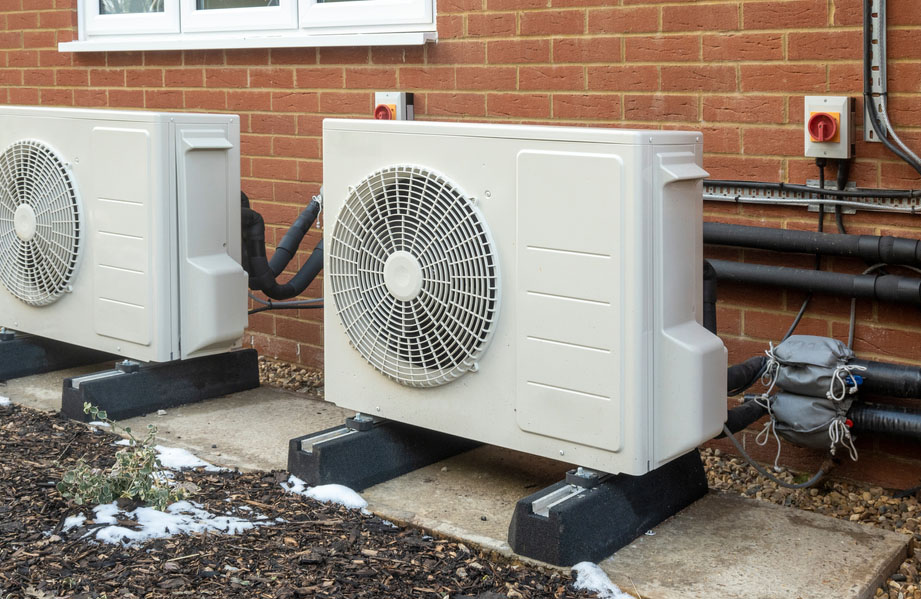
Support for Low Carbon Heating is being expanded, with households and small businesses using heating oil and LPG potentially eligible for an increased £9,000 grant under the Boiler Upgrade Scheme, intended to improve access to Heat Pumps and other low carbon heating options.
Focus on Solar – Investment in solar is also being scaled up, including £100 million for the Social Housing Fund to support up to 57,000 installations, alongside wider upgrades to social housing.
Removing Barriers to Low-Carbon Installations – Changes to planning rules and permitted development rights are expected to make it easier to install technologies such as heat pumps and solar, particularly for renters and properties without driveways, removing some of the practical barriers often identified during assessments.
While wider measures, such as renewable expansion on public land, additional funding for solar on educational facilities and updates to national energy planning, sit at a system level, they support a broader shift towards electrification and lower-carbon energy, trends that will continue to shape retrofit recommendations and client demand.
Impact on the Energy Assessment and Retrofit Industry
For the energy assessment and retrofit sector, this strategy reinforces the continued focus on energy efficiency, electrification of heat and the wider transition to low-carbon energy.
The move to reduce the influence of gas on electricity pricing signals a longer-term shift in how heating choices are likely to be evaluated in practice. While EPC recommendations remain based on standardised fuel costs, real-world running costs may begin to favour electric heating systems more strongly as electricity prices stabilise and become less tied to gas.
As a result, demand for more accurate heat loss assessments is also likely to grow, particularly to support the correct specification and sizing of heat pumps and other low carbon heating systems. As policy and funding develop, energy assessors will be in a key position to support households and businesses in navigating these changes and helping them make informed decisions to improve the performance of their properties.
Prepare for the Rise in Low-Carbon Heating
Elmhurst’s Heat Loss Assessor training provides a fantastic opportunity to develop the skills needed to carry out heat loss calculations and support the correct sizing of heat pumps and other low carbon heating systems.
Elmhurst members can also benefit from a 10% Next Level Discount, through our new initiative designed to help Elmhurst members upskill in the areas gaining the most traction across our industry.

Heat Loss Assessor Training
£495 + VAT
Currently with an exclusive 10% off for Elmhurst members
Secure your spot on Elmhurst’s On Demand training course and gain the flexibility to learn at your own pace – anytime, anywhere. Perfect for Domestic Energy Assessors (DEAs), Retrofit Professionals, Air Testers, Heat Pump Installers, Building Surveyors, Retrofit Installers, or anyone interested in mastering Heat Loss Calculations.